How to spot fake Cuban cigars: the complete checklist
Cigario editorial · updated 11 October 2026
Cuban cigars are some of the most counterfeited luxury goods in the world, and fakes have become good enough to fool a casual eye. The good news: Habanos S.A. gives every genuine box a unique, verifiable code, and most fakes fail on simple, checkable details. This is the checklist we would use before paying for a single box.
- Buy from an official source: La Casa del Habano, a Habanos Specialist or an authorized importer.
- If the price is a bargain, it is a fake. There are no cheap Cohibas.
- Check the warranty seal for the hologram and barcode, then verify the code on habanos.com.
- No glass tops, no loose labels, no barber poles. These are always fake.
- A correct band is not proof. A wrong band is proof of a fake.
Why fakes are everywhere
A box of famous Cuban cigars can cost as much as a good watch, the brands are recognizable worldwide and many buyers have never seen the real thing up close. That combination makes tourist areas, street sellers, online marketplaces and "too good to be true" deals the natural habitat of counterfeits. Fakes are often filled with poor or chopped tobacco and can taste harsh, burn badly or simply be unpleasant.
1. Start with where you buy
The single most effective protection is the seller. Habanos runs an official network of La Casa del Habano franchise shops and Habanos Specialist retailers, and every country that allows Cuban cigars has an authorized importer supplying licensed tobacconists. Buy there, and you almost never need the rest of this guide.
2. The price test
Price is the fastest red flag. Cohiba is the most expensive of the Cuban brands, and limited releases sell for far more than regular lines. If a box is offered far below what licensed shops charge in that country, it is not a hidden bargain. It is a counterfeit.
3. Check the box
- No glass or clear lids, ever. Habanos does not make glass-top or clear plastic boxes. Names like "Cohiba Crystal" are invented by counterfeiters.
- Labels belong on the box, not in it. A box that comes with seals or stickers loose inside, for you to apply yourself, is fake.
- Look underneath. The bottom of a genuine box is stamped with "Habanos s.a.", "Hecho en Cuba" and "Totalmente a mano", together with a factory and date code.
- The count must match the cigar. Cohiba Behike, for example, comes in boxes of 10, never 25.
- Quality shows. Clean joints, sharp printing and well-aligned labels. Rough workmanship is a warning sign.
4. Read the warranty seal
Every genuine box carries the green and white Cuban government warranty seal. According to Habanos, the current seal has a coat of arms and a unique barcode on the left and a hologram on the right. It is placed from the upper left side of the box, 3–6 mm from the edge, and bends over onto the front.
Simplified illustration based on the description published by Habanos S.A.
The seal is printed on special synthetic paper that self-destructs if someone tries to remove it, is protected against scanning and photocopying, has a two-color holographic text and even a micro-dot visible only under laser. A seal that peels off cleanly, looks flat, or has been moved is a serious warning sign.
5. Verify the barcode online
This is the strongest test you can do yourself. Each box has its own code stored in the Habanos database together with where the box was sent.
6. Look at the bands
Bands are where counterfeiters make many visible mistakes: blurry printing, wrong colors, wrong fonts or wrong details. Cohiba Behike bands, for instance, carry two elaborate holograms. Keep in mind the asymmetry: a correct band does not prove a cigar is real, but a wrong band proves it is fake.
- Edición Limitada secondary bands are a favorite trick. Counterfeiters put EL bands on brands and years where Habanos never released one, so check which brands had a limited edition in that year.
- All bands in a box should be identical in print quality and placement.
- Compare with the reference photos in the brand-specific guides listed in the sources below.
7. Inspect the cigars
Your authenticity checklist
Tick what applies to your box.
Everything checks out. The box is consistent with a genuine Habanos product, and the barcode check is your strongest proof.Some points are missing. Treat the box as suspicious until the barcode check on habanos.com confirms it.Tick what applies to your box.Brand-specific guides
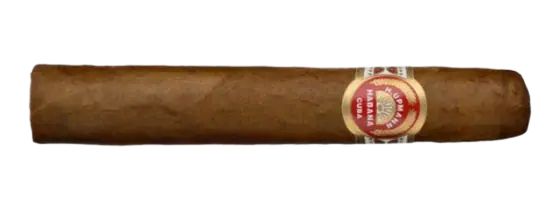
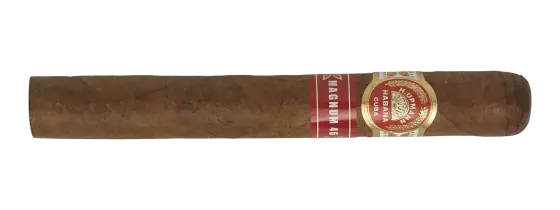
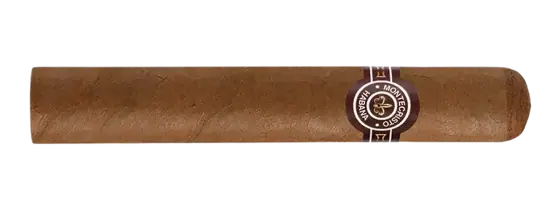
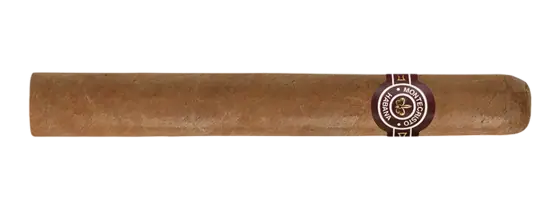
Each famous brand has its own typical fakes. Explore the brands in the Cigario catalog, then compare bands and boxes with the detailed brand guides from Cigar Aficionado listed in the sources:
If you think you bought a fake
- Do not smoke it hoping for the best. Counterfeits can contain poor tobacco and unknown materials.
- Photograph the box, seal, bands and receipt.
- Contact the seller and, where available, your payment provider.
- Report counterfeits to the national Habanos distributor or a La Casa del Habano shop. They take fakes seriously.
Frequently asked questions
How can I check if Cuban cigars are real?
Find the code on the Habanos warranty seal and enter it in the Authenticity Check on habanos.com. The result must match the brand, line and size in the box.
Are glass-top Cohiba boxes real?
No. Habanos does not produce boxes with glass or clear lids. A glass-top box is always counterfeit.
How many cigars are in a box of Cohiba Behike?
Ten. Behikes are not packed in boxes of 25.
Are barber-pole Cuban cigars genuine?
No. Barber-pole, two-tone spiral wrappers are a non-Cuban style and are a sure sign of a fake Cuban.
Where is the safest place to buy Cuban cigars?
La Casa del Habano shops, Habanos Specialist retailers and licensed tobacconists supplied by the official importer of your country.
Can I legally buy Cuban cigars?
It depends on where you live. They are sold legally in most of Europe and many other countries, while the United States restricts them under its embargo. Check the current rules for your country before buying or traveling.
Keep reading
 Industry · 5 min readWhere premium cigars come from: U.S. import data by country (2026)Nicaragua, the Dominican Republic and Honduras make almost every premium cigar sold in the United States. The…
 Reference · 11 min readCigar glossary: 120+ terms every cigar lover should knowFrom Amatista to Vuelta Abajo: an A–Z cigar dictionary covering shapes, wrappers, tobacco, tasting, storage and…
 Tasting · 4 min readHow cigar ratings work: blind tastings and community scoresA professional blind tasting and an open community rating answer different questions. Learn how to read each…