Cohiba: Brand Story
Cigario editorial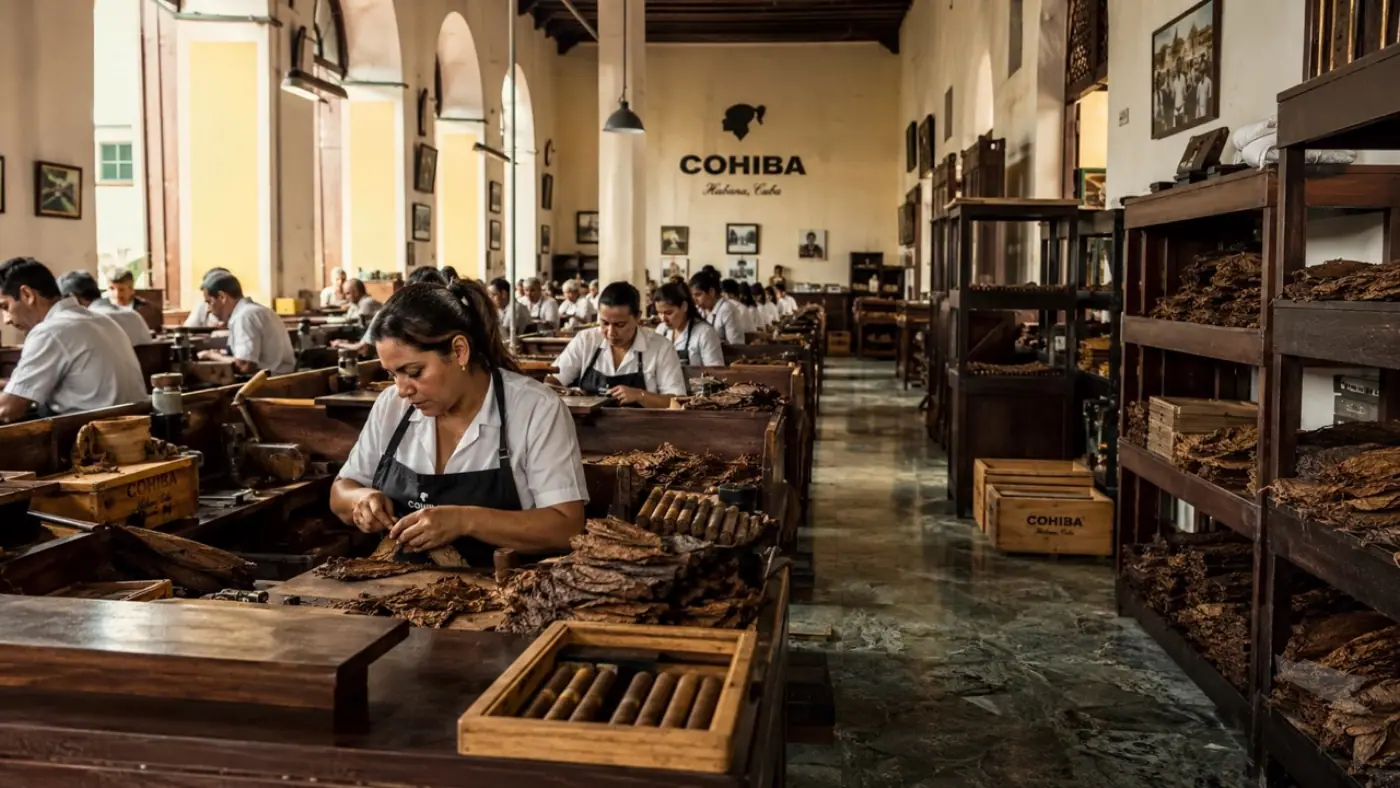
Cuba's most iconic marque — born from Castro's private cigar.
Brand history
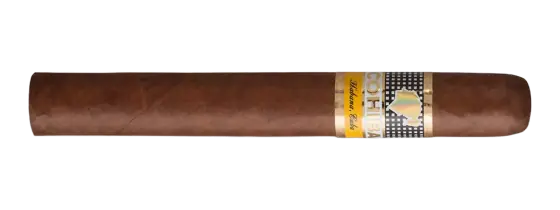
Cohiba is the flagship of Cuban cigar-making and a byword for luxury. It was born in 1966, first as Fidel Castro's private cigar and an exclusive diplomatic gift with which Cuba dazzled statesmen around the world. It only reached the public market in 1982, and has been the island's most prestigious brand ever since — the cigar you reach for when you want the very best.
Origins
Legend has it that Castro fell for a cigar that one of his bodyguards, Bienvenido "Chicho" Pérez, rolled for himself. Castro was hooked, recruited the same torcedor, and had a new brand created just for him. The tobacco came exclusively from the five best plantations in the Vuelta Abajo region, considered the finest tobacco soil in the world. The name "cohíba" itself comes from the language of the native Taíno people and meant a bundle of dried leaves — effectively the very first "cigar" Europeans ever saw in the Caribbean.
History
For its first sixteen years Cohiba was unavailable to the public — rolled in secret and reserved for heads of state and ambassadors. In 1982 came the first commercial line, the Línea Clásica, with iconic shapes such as the Lancero, Corona Especial and Panetela. For the 500th anniversary of the discovery of the Americas, the Línea 1492 (Siglo I–VI) followed in 1992, and in 2006 the legendary Behike — still one of the most expensive and sought-after cigars in the world.
How & where it's made
Cohiba has been rolled from the start at the famous El Laguito villa in Havana, where Cuba's finest torcedoras were trained. What sets the brand apart technically is an additional third fermentation of selected leaves in wooden barrels — a step no other Cuban brand uses, and which gives the cigars their signature silky smoothness. The top Behike line uses the rare "medio tiempo" leaf, which grows only at the very top of the plant and only on some plants, making it desperately scarce.
Style
On the palate Cohiba is elegant rather than brutal — offering grassy and herbal notes, honey, cocoa and that signature "Cohiba" sweetness. Even the fuller shapes keep the smoothness and complexity that make connoisseurs and collectors love the brand. This is not a cigar to rush: it wants calm, time and your full attention.
Did you know
Because of a long-running trademark dispute, a separate US (Dominican) Cohiba made by General Cigar also exists, with nothing in common with the Cuban one. It is one of the best-known "double identities" in the entire cigar world — and for connoisseurs, two completely different cigars sharing a single name.